Gastritis, a condition characterized by inflammation of the stomach lining, can cause discomfort, pain, nausea, and even bloating. Whether it’s caused by infection, long-term use of certain medications, excessive alcohol consumption, or stress, managing gastritis often starts with what you eat. A well-balanced, gentle diet can significantly ease symptoms and promote healing.
Table of Contents
A gastritis-friendly meal plan focuses on bland, non-spicy foods that are easy to digest, high in fiber, and low in fat or acid. Eating small, frequent meals throughout the day and chewing food slowly also helps reduce strain on the digestive system. In this article, we’ll walk through a full-day meal plan tailored for those with gastritis, complete with recipes, tips, and dietary guidelines to help soothe your stomach and support gut health.
Foods to Include in a Gastritis Diet
To manage gastritis effectively, prioritize foods that are gentle on the stomach and rich in nutrients:
- Whole Grains : Oatmeal, brown rice, whole-wheat bread, and quinoa are excellent sources of fiber and are easier to digest than refined grains.
- Lean Proteins : Skinless chicken, turkey, fish, eggs, tofu, and legumes provide essential protein without the added burden of excess fat.
- Low-Acid Fruits and Vegetables : Bananas, melons, applesauce, carrots, spinach, and zucchini offer vital vitamins and minerals while being less likely to irritate the stomach lining.
- Low-Fat Dairy : Plain yogurt, low-fat cottage cheese, and kefir contain probiotics that may help balance gut bacteria and improve digestion.
- Anti-Inflammatory Ingredients : Ginger, turmeric, garlic, and olive oil have natural anti-inflammatory properties that can help reduce irritation and support healing.
- Soothing Beverages : Warm chamomile tea, ginger tea, green tea (without caffeine), and water are excellent choices to stay hydrated and calm the stomach.
Foods to Avoid with Gastritis
Just as important as what to eat is knowing what to avoid. Certain foods and beverages can exacerbate gastritis symptoms:
- Spicy or Acidic Foods : Chili peppers, hot sauces, citrus fruits (like oranges and lemons), tomatoes, and vinegar-based dressings can inflame the stomach lining.
- Fried, Fatty, or Processed Foods : Greasy fast food, fried items, bacon, sausage, and full-fat dairy products like butter and cream are harder to digest and can worsen symptoms.
- Caffeinated and Alcoholic Drinks : Coffee, caffeinated teas, alcoholic beverages, and carbonated drinks can increase stomach acid production and irritate the digestive tract.
- Sugary Treats : Cakes, cookies, candy, and sweetened drinks may contribute to inflammation and should be limited.
Gastritis-Friendly Daily Meal Plan
Breakfast
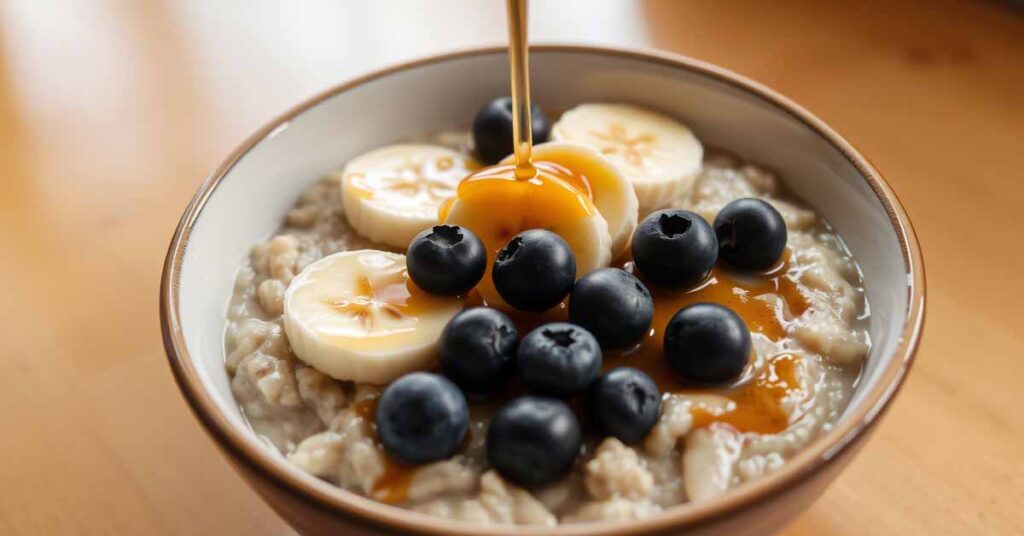
Starting the day with a warm, comforting bowl of oatmeal is an excellent choice for someone with gastritis. Oats are naturally low in acidity and high in soluble fiber, which supports digestion without irritating the stomach lining.
Sponsored Ads
Recipe:
- In a small pot, combine ½ cup rolled oats with 1 cup water or low-fat milk.
- Bring to a boil over medium heat, then reduce the heat and simmer for 5–7 minutes, stirring occasionally until the oats are soft and creamy.
- Peel and slice one banana, and wash a handful of soft berries (blueberries, strawberries, or raspberries).
- Pour the cooked oatmeal into a bowl, top with the fruit, and drizzle with ½ teaspoon of honey if desired.
- Add a pinch of cinnamon or ground ginger for extra flavor and anti-inflammatory benefits.
Why It Works: This breakfast is packed with potassium from the banana, antioxidants from the berries, and soothing fiber from the oats. It’s gentle enough to ease morning discomfort and provides lasting energy.
Alternative Options:
- A serving of plain Greek yogurt with sliced banana and a drizzle of honey
- Scrambled egg whites with a slice of whole-grain toast
- A smoothie made with banana, plain yogurt, and a splash of almond milk
Lunch
Warm soups are ideal for lunch when dealing with gastritis. They’re easy to digest, hydrating, and can help dilute stomach acid.
Recipe:
Sponsored Ads
- In a pot, add 1 cup diced skinless chicken breast, 2 cups low-sodium chicken broth or water, a few slices of fresh ginger, and a pinch of salt.
- Bring to a gentle boil, then reduce heat and simmer for 10 minutes. Remove the chicken and shred it using two forks.
- Return the shredded chicken to the pot and add ¼ cup uncooked rice and chopped vegetables like carrots and zucchini.
- Simmer for another 10–15 minutes until the rice and veggies are tender.
- Stir well and serve warm.
Why It Works: The combination of lean chicken, ginger, and steamed vegetables offers protein, vitamins, and anti-inflammatory compounds. Rice adds gentle bulk without harshness, making this soup both filling and kind to the stomach.
Alternative Options:
- A mild chicken salad with poached chicken, cooked brown rice, steamed spinach, and a light dressing of olive oil and herbs
- Congee (rice porridge) topped with small pieces of chicken and a sprinkle of scallions
Dinner
Dinner should be satisfying yet simple. Baking or steaming foods ensures they remain low in fat and easy on the digestive system.
Recipe:
- Preheat oven to 375°F (190°C).
- Lightly coat a skinless chicken breast or thigh with a small amount of olive oil and season with salt and dried herbs like oregano or thyme.
- Place the chicken on a baking sheet and bake for 25–30 minutes, or until fully cooked.
- While the chicken bakes, steam broccoli florets and carrot slices until tender.
- Cook ½ cup of brown rice according to package instructions.
- Serve the baked chicken with the steamed vegetables and brown rice. Drizzle a small amount of olive oil over the vegetables for added moisture and flavor.
Sponsored Ads
Why It Works: This balanced dinner combines lean protein, fiber-rich grains, and nutrient-dense vegetables all prepared in a way that minimizes irritation. Adding a dash of turmeric or a splash of aloe vera juice to the rice can enhance its soothing qualities.
Alternative Options:
- Baked or poached white fish (like tilapia or salmon) served with mashed potatoes (prepared without butter) and steamed spinach
- Tofu stir-fry with zucchini, bell peppers, and brown rice, seasoned lightly with garlic and turmeric
Snacks
Snacking between meals can help maintain stable blood sugar levels and prevent hunger-related discomfort. Choose snacks that are easy to digest and nutrient-rich.
Options:
- Banana or Melon Slices : These low-acid fruits are gentle on the stomach and provide natural sweetness.
- Plain Yogurt or Kefir : Probiotic-rich dairy options that support gut health. Add a drizzle of honey for flavor.
- Whole-Grain Crackers with Cottage Cheese or Avocado : A light but satisfying snack that includes protein and healthy fats.
- Oatmeal Cookies or Smoothie Popsicles : Homemade oatmeal cookies with minimal sugar or frozen banana-yogurt popsicles make great treats.
- Herbal Teas : Chamomile, ginger, or green tea (without caffeine) can soothe the stomach and promote relaxation.
Hydration
Staying hydrated is just as important as eating the right foods. Water is always a safe choice, but certain herbal teas can also provide comfort and additional health benefits.
- Chamomile Tea : Calming and soothing, chamomile can help relax the digestive tract.
- Ginger Tea : Helps settle the stomach and reduce inflammation.
- Green Tea (Decaffeinated) : Contains antioxidants that may protect the stomach lining.
Avoid coffee, black tea, soda, and alcohol, as these can stimulate acid production and worsen symptoms.
Sponsored Ads
Putting It All Together
Managing gastritis with diet requires consistency and awareness. Here are some practical tips to help you stick with your meal plan:
- Eat Small, Frequent Meals : Aim for five to six smaller meals throughout the day instead of three large ones. This reduces pressure on the stomach and prevents overproduction of acid.
- Cook Gently : Opt for baking, steaming, boiling, or poaching rather than frying or grilling at high temperatures.
- Stay Hydrated : Drink plenty of water and herbal teas to support digestion and flush out toxins.
- Keep a Food Diary : Track what you eat and how you feel afterward. This can help identify specific triggers and tailor your diet accordingly.
- Be Patient and Consistent: Stick with your gastritis-friendly diet for several weeks to notice improvements.