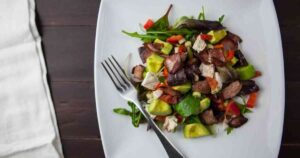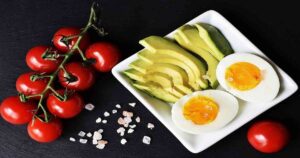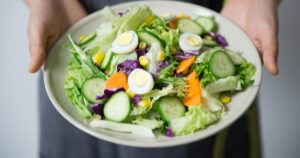
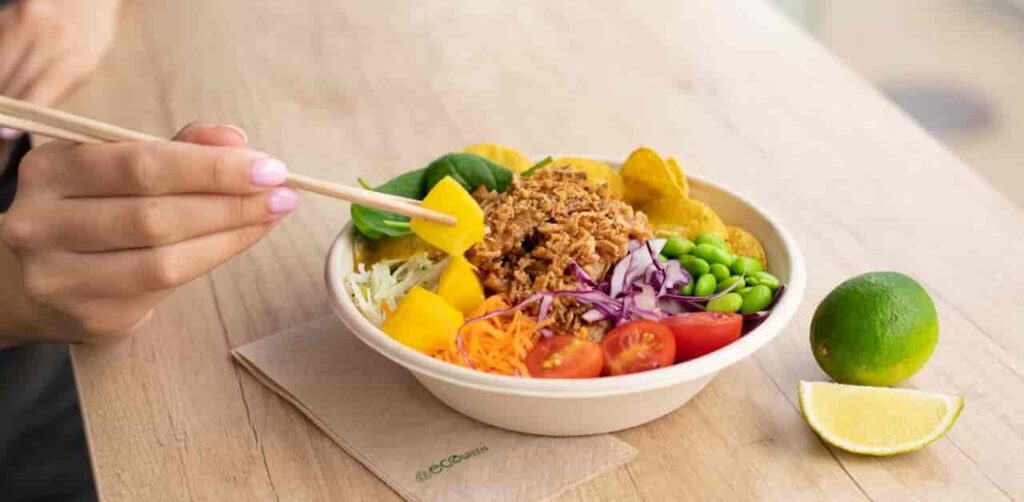
The Volumetrics Diet is not about eating less food. It is about eating smarter food. The idea is simple. Some foods give you a lot of volume but very few calories. Other foods are small in size but packed with calories. The Volumetrics Diet teaches you to choose foods that fill your stomach without loading your body with excess calories.
Table of Contents
This diet was created by a nutrition researcher who studied why people overeat. One key finding was this: most people eat roughly the same amount of food by weight every day. If you replace high-calorie foods with low-calorie, water-rich foods, you naturally eat fewer calories without trying hard.
That is the core of Volumetrics. You eat bigger plates, not smaller ones. You focus on foods that contain a lot of water and fiber like vegetables, fruits, soups, and whole foods. These foods stretch the stomach, slow digestion, and reduce hunger.
Volumetrics Diet Food List
Foods to Eat More Often
- Vegetables
Non-starchy vegetables should make up a big part of your meals. These include leafy greens, spinach, lettuce, broccoli, cauliflower, cabbage, zucchini, tomatoes, cucumbers, carrots, bell peppers, beans, and mushrooms. These foods are high in water and fiber and very low in calories. - Fruits
Most fruits are allowed and encouraged. Apples, oranges, berries, watermelon, papaya, pears, grapes, and citrus fruits are great choices. Whole fruits are better than juices because they keep you full longer. - Soups
Broth-based soups are one of the best foods on this diet. Vegetable soup, lentil soup, chicken soup, and bean soup help you feel full with very few calories. Creamy soups should be limited. - Lean Protein
Chicken breast, turkey, fish, eggs, tofu, paneer made with low fat milk, lentils, chickpeas, and beans are good protein options. Protein helps control hunger and supports muscle health. - Whole Grains and Starchy Foods
Brown rice, oats, quinoa, whole wheat roti, barley, and millets are allowed but in moderate portions. Potatoes and sweet potatoes are also fine when balanced with vegetables. - Low-Fat Dairy
Low-fat milk, curd, yogurt, and cottage cheese can be included. These provide protein and calcium without too many calories.
Foods to Limit or Eat Occasionally
- Fried Foods
Chips, fries, samosas, and fried snacks are high in calories and low in volume. These foods do not fill you up properly. - Oils and Butter
Oil, ghee, butter, and cream are very calorie-dense. Even healthy oils should be used in small amounts. - Sweets and Sugary Foods
Cakes, pastries, chocolates, sweets, biscuits, and sugary drinks add calories without fullness. - Refined Carbs
White bread, white rice, white pasta, noodles, and bakery items digest quickly and increase hunger. - Processed and Fast Food
Pizza, burgers, packaged snacks, instant foods, and ready-made meals are high in fat, salt, and calories.
Volumetrics Diet Weekly Meal Plan
Day 1
Breakfast: Oats with milk and fruit
Lunch: Big vegetable salad with grilled chicken or chickpeas
Dinner: Vegetable soup with a side of steamed vegetables
Snack: Apple or cucumber slices
Day 2
Breakfast: Yogurt with berries
Lunch: Vegetable stir-fry with tofu and brown rice
Dinner: Lentil or bean curry with salad
Snack: Popcorn or fruit
Sponsored Ads
Day 3
Breakfast: Vegetable omelet and whole wheat toast
Lunch: Whole grain wrap with lean protein and vegetables
Dinner: Grilled fish or cheese with roasted vegetables
Snack: Yogurt or grapes
Day 4
Breakfast: Smoothie with fruits and greens
Lunch: Lentil soup and salad
Dinner: Chicken or vegetable curry with lots of vegetables
Snack: Carrot sticks or fruit
Day 5
Breakfast: Overnight oats with apple
Lunch: Grain bowl with beans, vegetables, and greens
Dinner: Vegetable soup with bread
Snack: Fruit or roasted chickpeas
Day 6
Breakfast: High-fiber cereal with milk and fruit
Lunch: Large salad with beans or tofu
Dinner: Chili or kidney beans with vegetables
Snack: Popcorn or curd
Day 7
Breakfast: Whole grain pancakes with fruit
Lunch: Mixed vegetable soup and salad
Dinner: Grilled protein with steamed vegetables and a small potato
Snack: Fruit or vegetable sticks
Sponsored Ads
3 Volumetrics Diet recipes
Big Bowl Vegetable & Lentil Soup
This is a classic volumetrics meal. It is warm, filling, and very low in calories per bowl. Most of the volume comes from vegetables and water, while lentils add protein and keep you full longer. Perfect for lunch or dinner.
Type of Dish
Main Course
Servings
4 servings
Prep Time
15 minutes
Sponsored Ads
Cook Time
30 minutes
Total Time
45 minutes
Ingredients
- Olive oil: 1 teaspoon
- Onion: 1 medium, chopped
- Garlic: 3 cloves, chopped
- Carrot: 1 cup, chopped
- Tomato: 1 cup, chopped
- Cabbage: 1 cup, chopped
- Spinach: 1 cup, chopped
- Red lentils: ½ cup (dry)
- Water or vegetable broth: 6 cups
- Salt: 1 teaspoon (or to taste)
- Black pepper: ½ teaspoon
- Cumin powder: ½ teaspoon
- Turmeric: ¼ teaspoon
Step-by-Step Instructions
- Heat a large pot on medium heat and add olive oil.
- Add onion and garlic. Cook for 2 to 3 minutes until soft.
- Add carrots and tomatoes. Cook for another 3 minutes.
- Add lentils, all vegetables, spices, and water or broth.
- Bring to a boil, then reduce heat and simmer for 25 to 30 minutes.
- Stir occasionally until lentils are soft.
- Taste and adjust salt or spices before serving.
Cooking Temperature
Medium heat
Nutrition (Approx per serving)
Sponsored Ads
- Calories: 180
- Protein: 10 g
- Fat: 3 g
- Carbohydrates: 28 g
- Fiber: 8 g
Dietary Information
Vegetarian
Vegan
Gluten-free
Equipment
- Large pot
- Knife
- Cutting board
- Spoon
Variations and Add-ons
- Add zucchini or beans for more volume
- Add lemon juice for freshness
- Add chili flakes for spice
High-Volume Crunchy Vegetable Salad
This salad is huge in size but light in calories. It is packed with raw vegetables that take time to chew and digest, which helps control hunger. Great for lunch or as a dinner starter.
Type of Dish
Main Course or Side Dish
Sponsored Ads
Servings
2 large servings
Prep Time
15 minutes
Cook Time
No cooking
Total Time
15 minutes
Ingredients
Sponsored Ads
- Lettuce or mixed greens: 3 cups
- Cucumber: 1 cup, sliced
- Tomato: 1 cup, chopped
- Carrot: ½ cup, grated
- Bell pepper: ½ cup, sliced
- Boiled chickpeas: ½ cup
- Lemon juice: 2 tablespoons
- Olive oil: 1 teaspoon
- Salt: ½ teaspoon
- Black pepper: ¼ teaspoon
Step-by-Step Instructions
- Add all vegetables to a large bowl.
- Add boiled chickpeas.
- In a small bowl, mix lemon juice, olive oil, salt, and pepper.
- Pour dressing over the salad.
- Toss well and serve immediately.
Nutrition (Approx per serving)
- Calories: 220
- Protein: 9 g
- Fat: 4 g
- Carbohydrates: 32 g
- Fiber: 10 g
Dietary Information
Vegetarian
Vegan
Gluten-free
Equipment
- Large mixing bowl
- Knife
- Cutting board
- Spoon
Variations and Add-ons
- Add grilled chicken or tofu for more protein
- Add herbs like coriander or parsley
- Add a spoon of yogurt for a creamy version
Fruit & Yogurt Volume Dessert Bowl
This dessert satisfies sweet cravings without heavy calories. Fruits add volume and natural sweetness, while yogurt adds protein. It feels indulgent but stays light
Type of Dish
Dessert or Snack
Servings
1 serving
Prep Time
10 minutes
Cook Time
No cooking
Total Time
10 minutes
Ingredients
- Low-fat yogurt: 1 cup
- Apple: ½ cup, chopped
- Papaya or berries: ½ cup
- Banana: ¼ cup, sliced
- Chia seeds: 1 teaspoon
- Cinnamon powder: a pinch (optional)
Step-by-Step Instructions
- Add yogurt to a bowl.
- Add all chopped fruits on top.
- Sprinkle chia seeds and cinnamon.
- Mix lightly and enjoy.
Nutrition (Approx per serving)
- Calories: 200
- Protein: 8 g
- Fat: 3 g
- Carbohydrates: 35 g
- Fiber: 6 g
Dietary Information
Vegetarian
Gluten-free
Equipment
- Bowl
- Spoon
- Knife
Variations and Add-ons
- Add nuts in small quantity for crunch
- Add cocoa powder for chocolate flavor
- Replace yogurt with plant-based yogurt if needed
Pros of the Volumetrics Diet
- You feel full and satisfied because you eat large portions
- It reduces hunger naturally
- It supports slow and steady weight loss
- It improves digestion due to high fiber intake
- It does not ban any food completely
- It is easy to follow long term
- It encourages healthy eating habits
Cons of the Volumetrics Diet
- Meal preparation takes time
- You need to cook more at home
- Healthy fats must be controlled carefully
- Eating out can be challenging
- Weight loss is gradual, not fast
- Meals can feel repetitive if you do not plan well